Welcome to the Autumn term edition fellow composters!
Tes paideias efe tas men rideas einai pikras, tan de karpon glukin
“The routes of education are bitter but the fruits are sweet”. Aristotle.
Well, what a most challenging season summer was with extremes of heat and lack of rain over many weeks causing quite a panic for our flora and fauna. Dehydrated plants - it was all a very touch and go operation! Keeping them alive involved watering the roots on a daily basis, however the exposed stem flowers had to be shaded and this meant covering the most vulnerable plants with sheets.
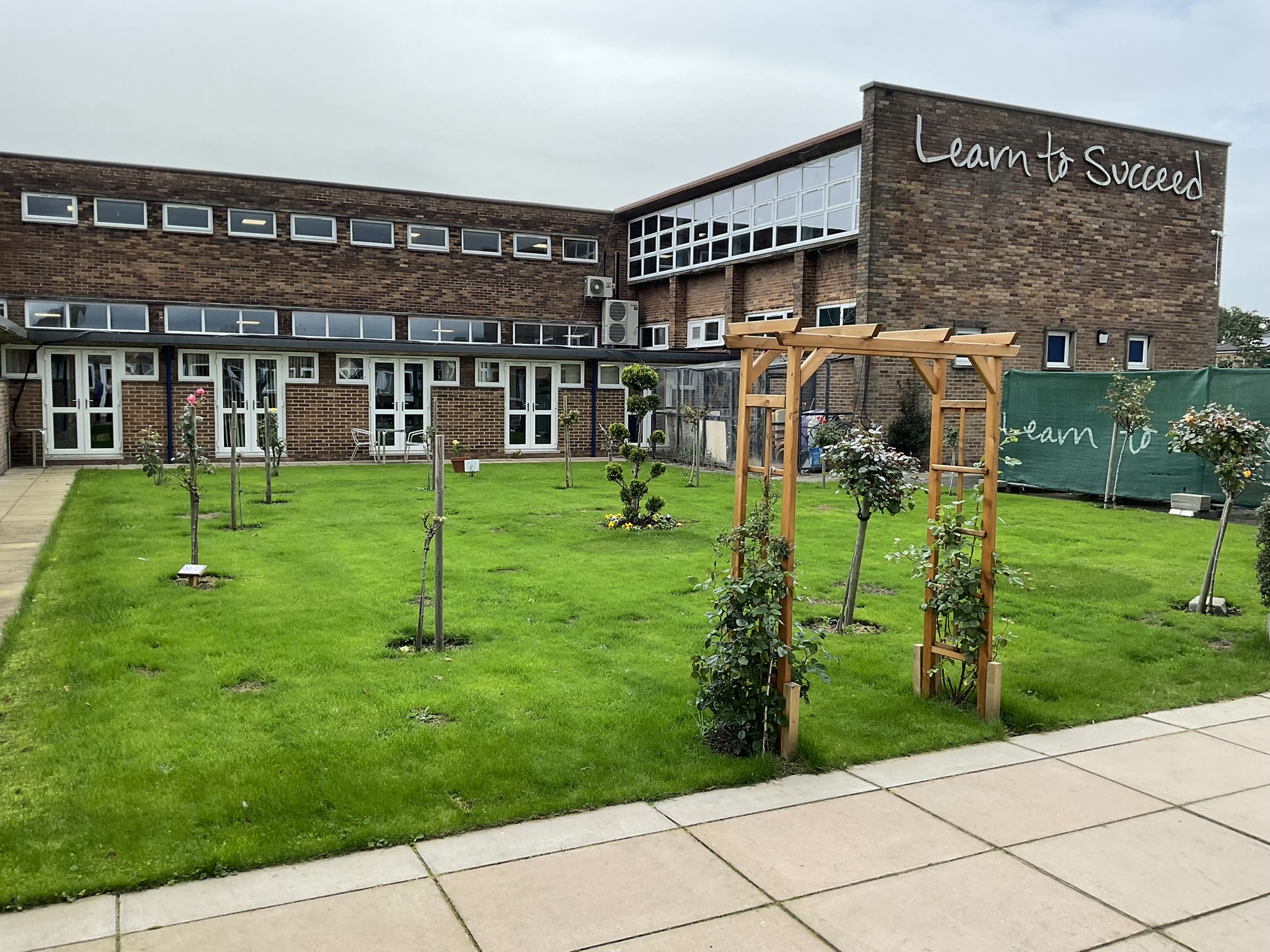
Having survived all that, we are now enjoying the fruits of our labours with glorious display of cultured roses and new arrivals such as the stunning climbing rose ‘Dublin Bay’, the jasmine ‘Lime Delight’, the Zephyranthes Grandiflora (late summer to early autumn) or the growers name of ‘Wild Lilly’, the Pieris ‘Forest Flame’ and Pieris ‘Flaming Silver’.
The autumn new arrivals are Alba Anemone, Echinops shrub rose, Anne Harknes double amber flowers, Crocosmia Lucifer with its robust sword-shaped deep rich flowers, Asta Monch - a busy perennial daisy-like soft lavender blue flower, and Rudbeckia with its daisy-like yellow flower heads.
Autumn is an ideal time to collect the harvest of various seeds as this helps with extra design details in spring. In addition, for some parts, you can scatter in places where there is room.
As the rose garden improves in status, I have introduced these new types of rose: Gertrude Jekyll - a repeat flowering with deep pink blooms, Gabrielle Oak - long continuous flowering named after the hero of Hardy’s ‘Far From The Madding Crowd’ with deep pink flowers and a strong fruity scent, and Desdemona - a soft apple-white, strongly scented English hybrid with circular blooms of soft swirling petals.
Also now is the time to move shrubs and trees, being thoughtful where best to place. If you are considering planting a fresh young tree, may I recommend a favourite of mine, and that is the Robinia Pseudoaccia freesia. This beautiful tree has soft curls that gently move and glisten as the sun catches its vivid lime colouring and has a comforting effect on the viewer.
So, to conclude, I would like to thank the pupils for the respect they give to our gardens and have helped with further awards which were presented this year by Penwortham Town Council’s Garden Committee, being that:
- Gold in school category
- Overall winner school category
- Winner of winners’ category
Phew!
We are extremely grateful to have local enthusiast and dignitaries recognise our efforts.
Thank you to Miss Smith for her support, knowledge and love of gardening - it all helps! Seeds now ready to collect: Speedwell Veronica - tall spires of elegant and well-perfumed white blossom, and Asta Nova Anglia - a perennial in autumn that bears clusters of daisy-like clear flower heads.
A brief explanation of plant types to recognise throughout the Priory gardens as the seasons progress and an explanation of the meaning.
Annuals and Biennials
An annual is grown from seed then flowers and dies all in a single period. A hardy annual can withstand frost and so the seed can be sown outdoors whenever the soil is suitable in spring.
Perennials
A perennial is a hardy plant that does not produce woody shoots. The leaves and stems generally die as winter arrives and new shoots appear in spring but few are evergreen because of height and size of leaf. It is associated with an herbaceous plant and can be a permanent feature of the garden. THINK DESIGN. So, enjoy the season to come!
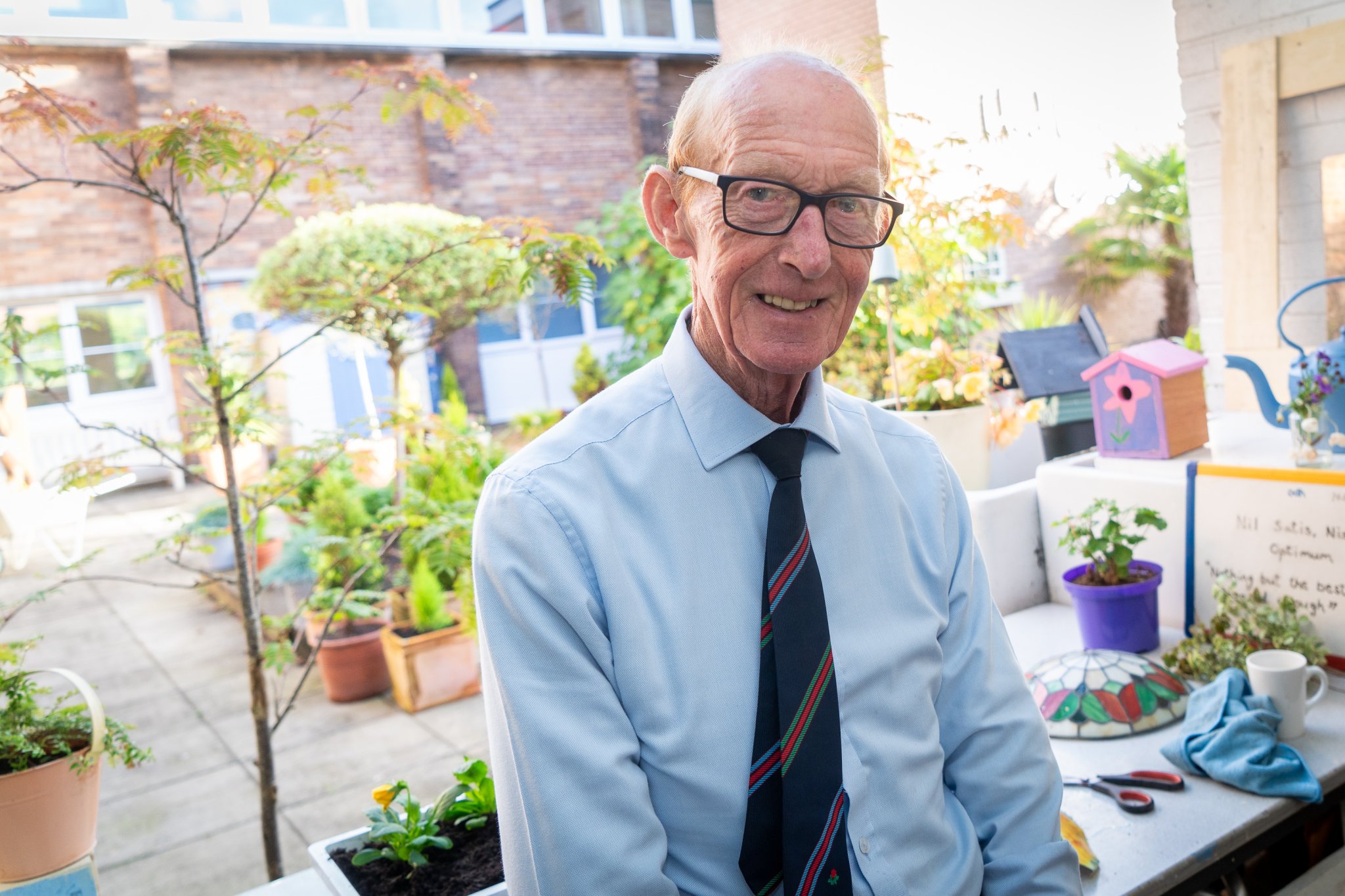
Mr C Farron
Head Gardener
Keep Blooming!
Compost Corner Autumn 2026